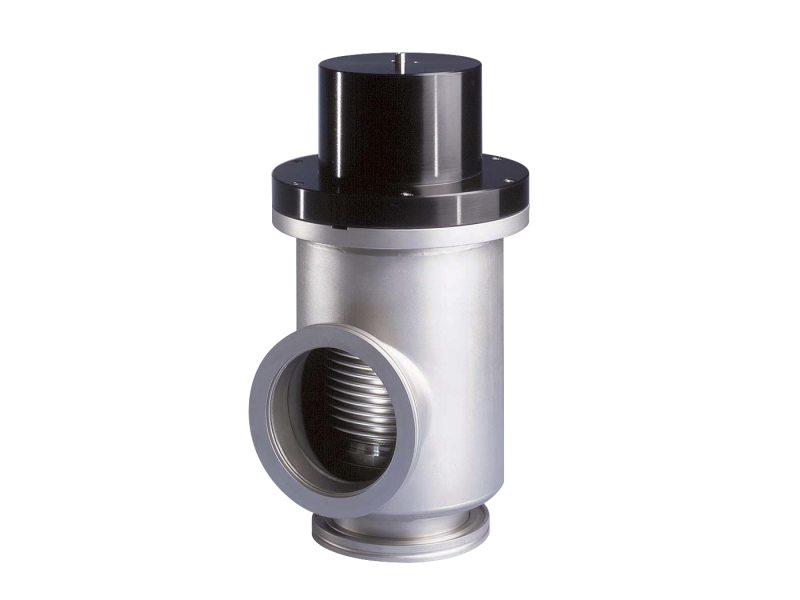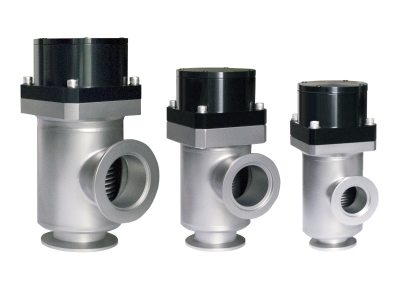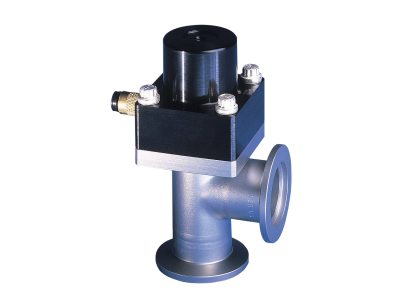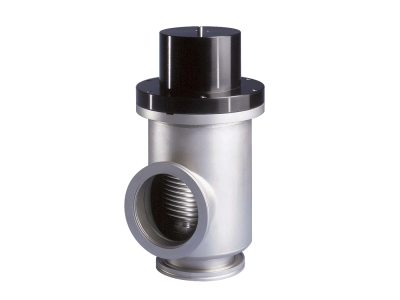
150/160 Series Bellows Vacuum Isolation Valves
150/160 Series Bellows Vacuum Isolation Valves
150/160 Series single-stage vacuum isolation valves are designed with a formed stainless-steel bellows to prevent outgassing, virtual leaks, and particle entrapment between bellows convolutions and extends the valves cycle life over a conventional O-ring shaft sealed valve.
- NW16 - NW160
- Designed to ensure product quality, reliability, and value
- Dual acting pneumatic operation available in select sizes See All Features
| Compare | Description | Drawings, CAD & Specs | Avail. | Price | ||
|---|---|---|---|---|---|---|
 | 152-0016KVacuum Valve, Pneumatic, Angle, ISO NW16 Flanges | |||||
| 152-0025KVacuum Valve, Pneumatic, Angle, ISO NW25 Flanges | |||||
| 152-0040KVacuum Valve, Angle, Pneumatic, ISO NW40 Flanges | |||||
 | 161-0025KVacuum Valve, Inline, Manual, ISO NW25 Flanges | |||||
| 162-0016KVacuum Valve, Pneumatic, Inline, ISO NW16 Flanges | |||||
| 162-1040KVacuum Valve, Inline, Pneumatic, ISO NW40 Flanges, Limit Switch |
Configuration Options
Please see the 150/160 and V-100 Valve datasheet for available product options.
Specifications
- TypeStandard Vacuum Isolation Valves
- Vacuum Range15 psig to 1.0 x 10⁻⁹ Torr
- Body ConfigurationAngle or Inline
- Helium Leak Rate1.0 x 10-9 std cc/sec
- ActuationManual or Pneumatic
- Body, Nosepiece and Bellows Termination MaterialType 304 stainless steel
- Bellows MaterialType 321 stainless steel
- Nose SealViton®
- Bonnet SealViton®
- Limit Switch Rating5A - 250 VAC
- Single Pole, Single Throw5A - 30 VDC
- Maximum Bakeout TemperatureBody: 150°C
Cylinder: 70°C - Piston MaterialAnodized aluminum alloys, Buna and plated steel
Features
Formed Bellows
Since bellows are a critical factor in valve reliability, MKS incorporates formed bellows into the 150/160 valves. The first major advantage of using formed bellows is consistency. Since formed bellows do not have welds joining each membrane, there is no stress concentration and fatigue failure from non-uniform welds. The second advantage is that the bellows convolutions never touch completely in the compressed position. Many vacuum processes, like chemical vapor or thin film deposition contain particulate contamination. If small particles fall between formed bellows, they have no effect. If similar particles fall between welded, nested bellows, they deform the membranes, cause stress concentration, and lead to early bellows failure.
Install In Any Position
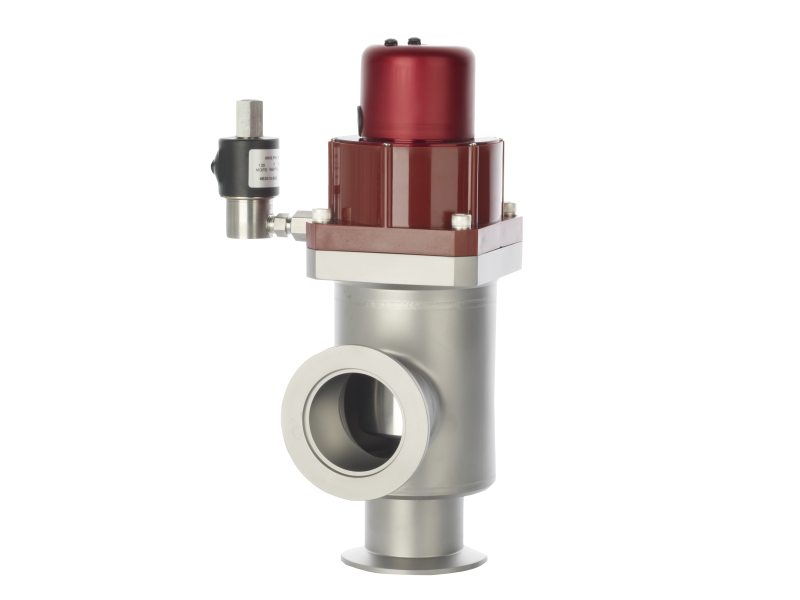
MKS vacuum valves may be installed in any position, with either the bellows or the nosepiece facing the pump. In systems with condensable materials, it is advantageous to install the valve with the nosepiece toward the chamber. The electropneumatic valve has a solenoid valve attached to the cylinder with a nipple. The cap screws fixing the cylinder to the body may be removed and the cylinder indexed at 90° increments for valves of sizes .75'' to 1.5'', and 60° increments for valves with port sizes 2'' to 6''. If necessary, the solenoid valve can be removed and located remotely.
Applications
Series 150/160 and V-100 valves are designed to insure product quality, reliability and value. They function reliably in applications ranging from semiconductor manufacturing to plasma physics research to nuclear accelerators. MKS manufactures its valves with interchangeable parts, inspecting them at every step.
Accessories
Replacement Solenoids
| Compare | Description | Drawings, CAD & Specs | Avail. | Price | ||
|---|---|---|---|---|---|---|
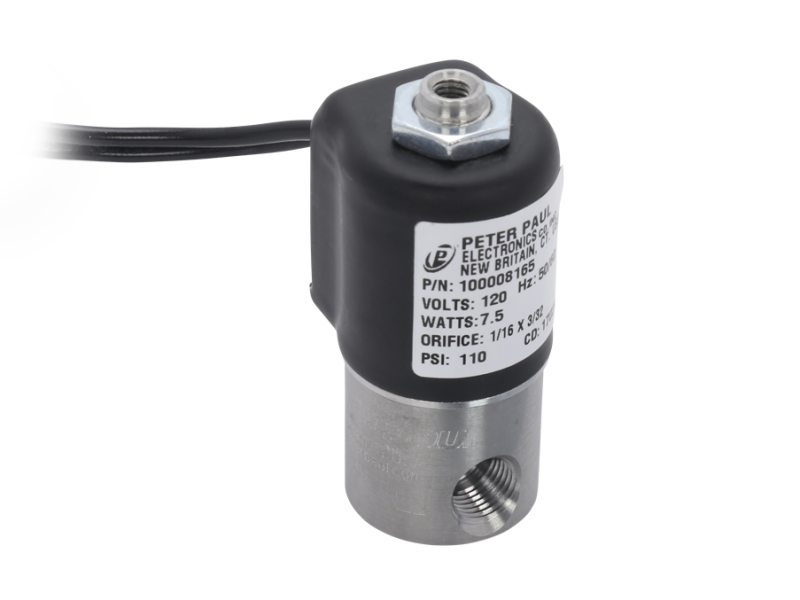 | 100008165Replacement Solenoid Valve, 120 VAC, 50-60 Hz, 7.5 Watt | |||||
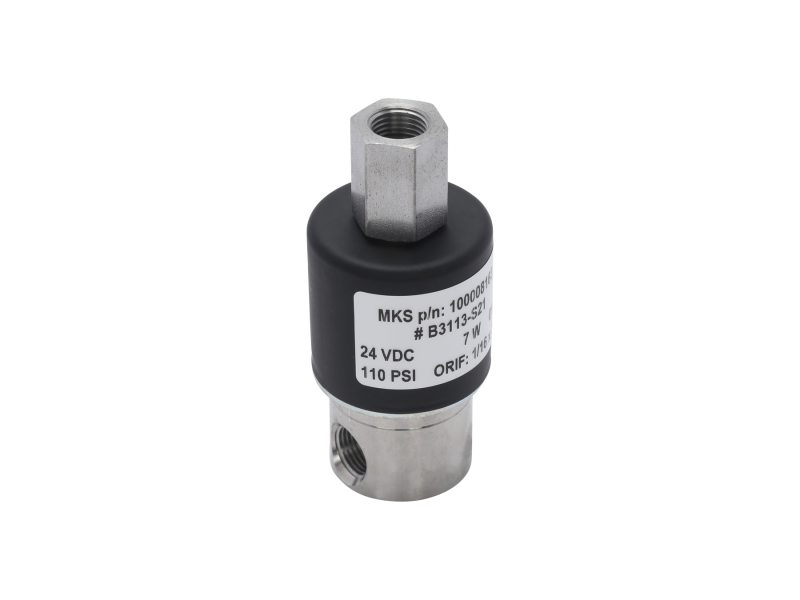 | 100008163Solenoid Valve, Replacement, 24 VDC, 7 Watt | |||||
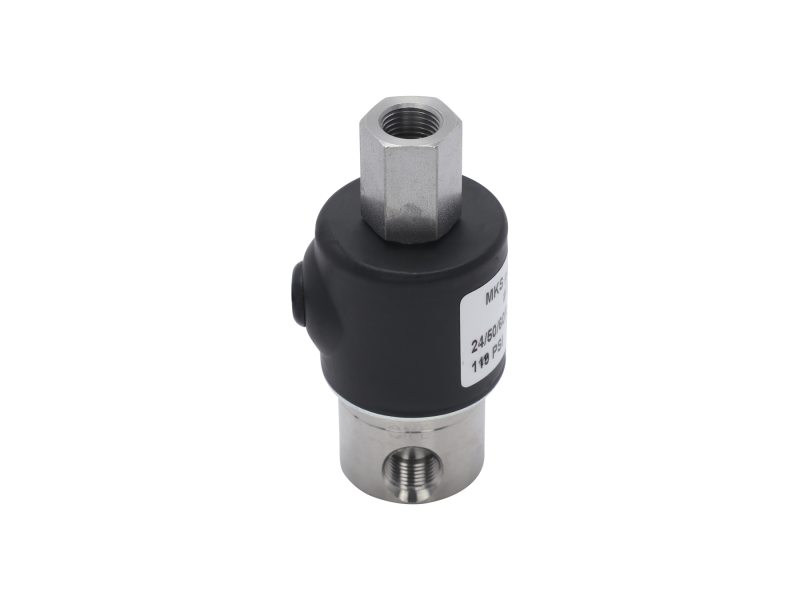 | 100008164Solenoid Valve, Replacement, 24 VAC, 50-60 Hz, 6 Watt | |||||
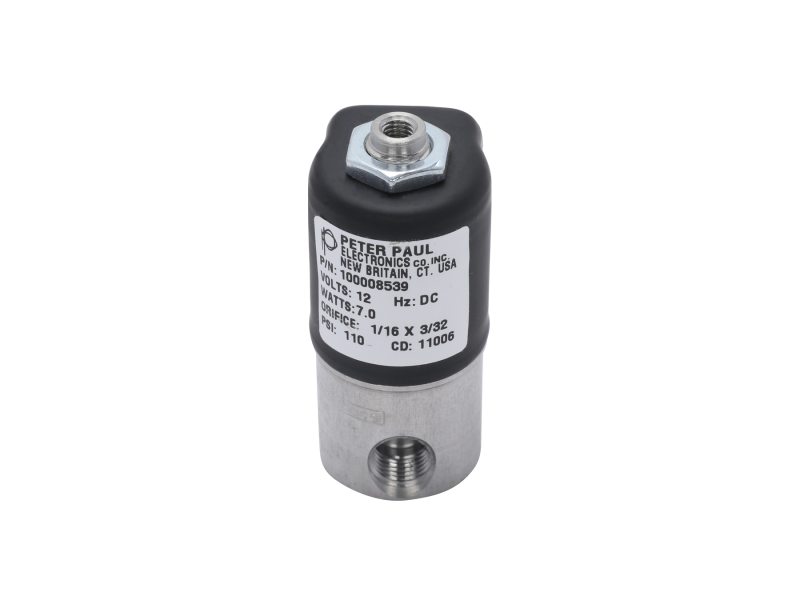 | 100008539Solenoid Valve, Replacement, 12 VDC, 7 Watt | |||||
 | 100008167Solenoid Valve, Replacement, 220-240 VAC, 50-60 Hz, 7.5 Watt | |||||
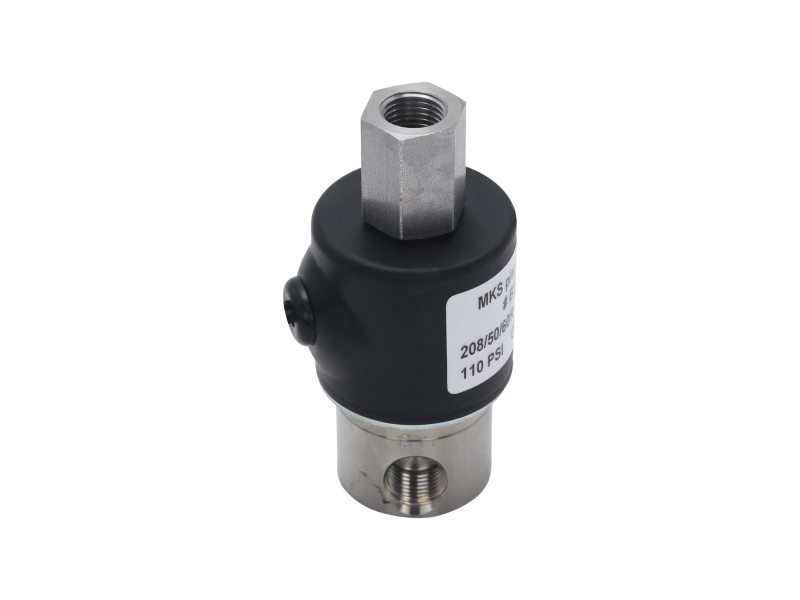 | 100008166Solenoid Valve, Replacement, 208 VAC, 50-60 Hz, 7.5 Watt |
Valve Seals
| Compare | Description | Drawings, CAD & Specs | Avail. | Price | ||
|---|---|---|---|---|---|---|
 | 100001699Viton Seal Set, 150, 160 and V-100 Manual Valves, NW16 Port | |||||
| 100001700Viton Seal Set, 150, 160 and V-100 Manual Valves, NW25 Port | |||||
| 100001701Viton Seal Set, 150, 160 and V-100 Manual Valves, NW40 Port | |||||
| 100001702Viton Seal Set, 150, 160 and V-100 Manual Valves, NW50 Port | |||||
| 100001703Viton Seal Set, 150, 160 and V-100 Manual Valves, NW63 Port | |||||
| 100001704Viton Seal Set, 150, 160 and V-100 Manual Valves, NW80 Port | |||||
| 100001691Viton Seal Set, 150, 160 Valves, NW80 Port | |||||
| 100001674Viton Seal Set, Series 150, 160, Vacuum Valves, NW25 Port | |||||
| 100001676Viton Seal Set, Series 150, 160, V-100 Vacuum Valves, NW50 Port | |||||
| 100001673Viton Seal Set, Series 150, 160, V-100 Vacuum Valves, NW16 Port | |||||
| 100001677Viton Seal Set, Series 150, 160, V-100 Vacuum Valves, NW63 Port | |||||
| 100001675Viton Seal Set, 150, 160 Vacuum Valves, NW40 Port | |||||
| 100006113Viton Seal Set, 150, 160 Valves, NW160 Port | |||||
| 100003876Viton Seal Set, Series 150 or 160 Pneumatic Vacuum Valves, NW100 Port |
Limit Switches
| Compare | Description | Drawings, CAD & Specs | Avail. | Price | ||
|---|---|---|---|---|---|---|
 | 100001682Limit Switch Kit, 150, 160, V-100 Pneumatic Valves, NW16 | |||||
| 100001520Limit Switch Kit, 150, 160, 2-stage, Pneumatic Valves, NW25 or NW40 | |||||
| 100001683Limit Switch Kit, 150, 160, V-100, 2-stage Pneumatic Valves, NW50 or NW63 | |||||
| 100001684Limit Switch Kit, 150, 160, V-100, 2-stage Pneumatic Valves, NW80 | |||||
| 100003663Limit Switch Kit, 150, 160, V-100, 2-stage Pneumatic Valves, NW100 | |||||
| 100005802Limit Switch Kit, 150, 160, V-100 Pneumatic Valves, NW160 |
Internal Rebuild Kits
| Compare | Description | Drawings, CAD & Specs | Avail. | Price | ||
|---|---|---|---|---|---|---|
| 100006122Valve Rebuild Kit with Viton Seal Set, 150, 160 or V-100 Pneumatic Valves, NW16 | |||||
| 100006123Valve Rebuild Kit with Viton Seal Set, 150, 160, V-100 Pneumatic Valves, NW25 | |||||
| 100006124Valve Rebuild Kit, Viton Seal Set, 150, 160 Valves, NW40 | |||||
| 100006125Valve Rebuild Kit with Viton Seal Set, 150, 160 Valves, NW50 | |||||
| 100006126Valve Rebuild Kit with Viton Seal Set, 150, 160 Valves, NW63 | |||||
| 100006128Valve Rebuild Kit with Viton Seal Set, 150 or 160 Pneumatic Valves, NW100 | |||||
| 100006127Valve Rebuild Kit with Viton Seal Set, 150, 160 or V-100 Pneumatic Valves, NW80 | |||||
| 100006129Valve Rebuild Kit with Viton Seal Set, 150, 160 or V-100 Pneumatic Valves, NW160 | |||||
| 100008414Valve Rebuild Kit with Viton Seal Set, 150, 160, V-100 Manual Valves, NW25 | |||||
| 100008413Valve Rebuild Kit with Viton Seal Set, 150, 160, V-100 Manual Valves, NW16 | |||||
| 100008415Valve Rebuild Kit with Viton Seal Set, 150, 160, V-100 Manual Valves, NW40 | |||||
| 100008416Valve Rebuild Kit with Viton Seal Set, 150, 160, V-100 Manual Valves, NW50 | |||||
| 100008418Valve Rebuild Kit with Viton Seal Set, 150, 160, V-100 Manual Valves, NW80 | |||||
| 100008417Valve Rebuild Kit with Viton Seal Set, 150, 160, V-100 Manual Valves, NW63 |
Other Accessories
Resources
Literature
Series 150/160 and V-100 Valves(496.9 kB, PDF)
Manuals
Series 150 and 160 Poppet Vacuum Valve Manual(765.7 kB, PDF)